Support feels cool

Innovative healing through experiential, outdoor, and somatic yoga therapy
Talk therapy is cool, but often if you’ve experienced trauma, it may not be enough…
With One Arrow, you will discover innovative and holistic techniques that combine talk therapy, experiential play therapy, nature, EMDR, and art therapy to help you find your path to health and wellbeing.
Innovative healing through experiential, outdoor, and somatic yoga therapy
Talk therapy is cool, but if you’ve experienced trauma, it may not be enough…
With One Arrow, you will discover innovative and holistic techniques that combine talk therapy, experiential play therapy, nature, EMDR, and art therapy to help you find your path to health and wellbeing.



Why One Arrow?
In Buddhist teachings, the Buddha described two arrows. The first arrow is the natural experience that arises in this human state that we live in–fear, cravings, trauma, aggression. One thing is for certain, we all get hit from time to time and no one is immune to that first arrow–pain.
The second arrow, however, comes as a response to the first. We might have the experience of leaning into an addiction or craving, and then shame, experience self hate or self loathing and punish ourselves for that. That–the shame, self hatred/loathing, punishment -is the second arrow. Another way of saying it is that the second arrow is suffering.
The Buddha says: “The first arrow hurts, why do we shoot the second arrow into us, ourselves?” And yet, we do. He goes on to say: ” In life, we cannot always control the first arrow; however, the second arrow is our reaction to the first.
The second arrow is optional.”
A window to your future
Therapy with One Arrow
One Arrow Therapy takes pride in providing modern, evidence based, relatable, quality therapy in a non-judgemental way. We welcome, accept, affirm, and celebrate diversity, including religious and spiritual beliefs, sexual orientations and expressions, traditional and non traditional relationships and families, all body types and sizes, people of color, all ethnic and cultural backgrounds, and all abilities. We support human rights, acceptance, and equality for all.



EMDR
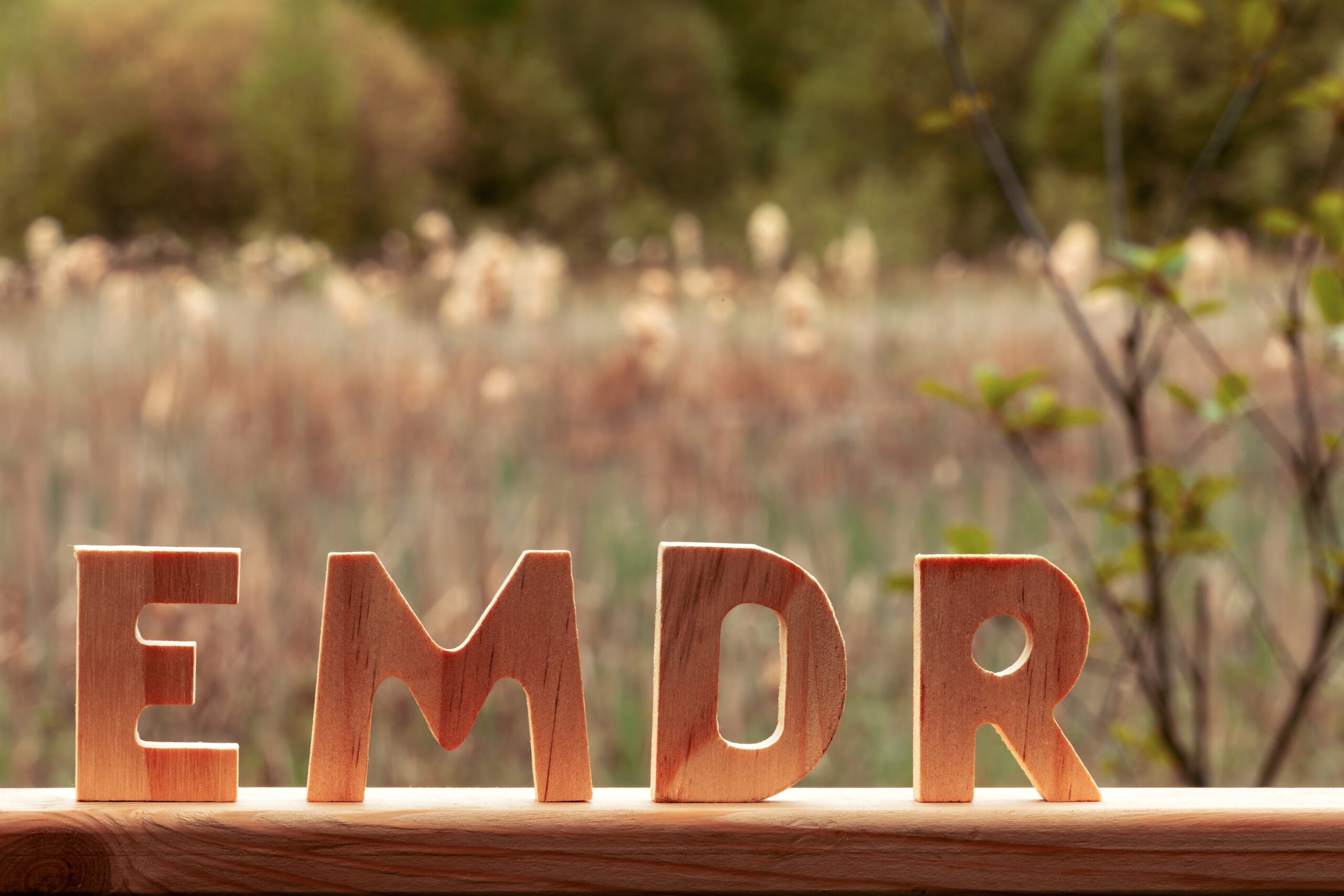
EMDR (Eye Movement Desensitization and Reprocessing) allows the brain to reprocess the event in a way that lets it heal completely. It supports the brain and allows you to no longer relive and re-experience that moment in your life every time you think of it. Your thoughts, feelings and behaviors change, allowing you to be your whole self.

Experiential/Adventure Therapy
Experiential therapy is a form of therapy that involves immersing yourself in an experience, such as art, sand tray, sculpting, walking, paddle boarding or building with lego. When words alone might not be enough, playing allows those protective parts to chill out, and real inforomation is able to surface in a easeful, non-invasive way, helping to pave the path to healing.
Somatic Trauma-Informed Yoga/Therapy
Trauma Informed Yoga is an inward practice that focuses on body sensations over physical practice or body alignment, and above else emphasizes always allowing personal choice and self-empowerment. It helps the body heal and process PTSD and trauma when words are often not enough.
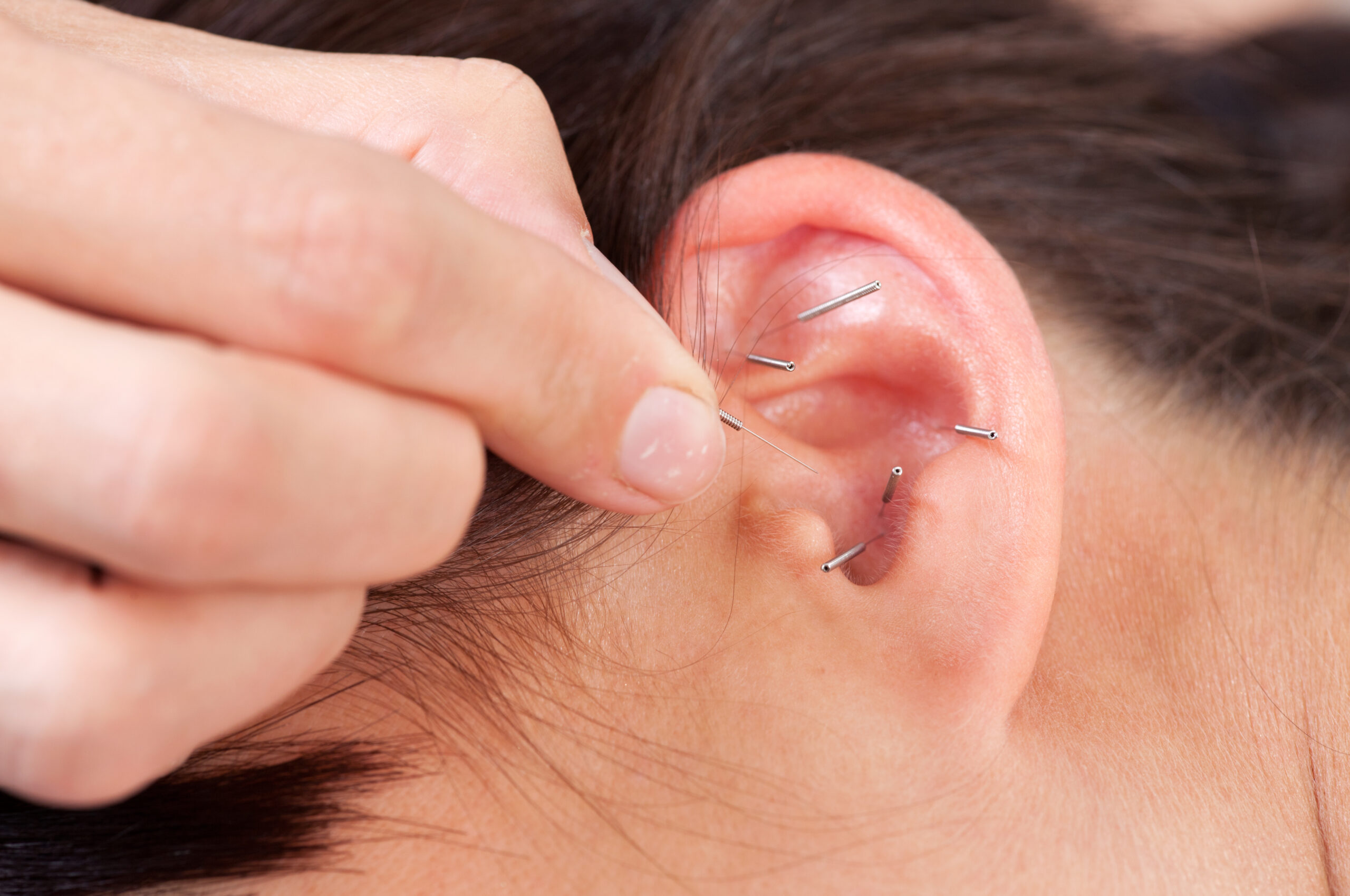
Auriculotherapy/Acudetox
Acudetox is a five-point acupuncture protocol specifically designed for those struggling with high stress, panic attacks, substance use issues, anxiety, and depression. Acupuncture seeds are gently placed in the ears at specific points to stimulate reflex points and balance the body’s central nervous system.
Services
Depending on your plan coverage, your services may be covered in full or partially. We have therapists who are paneled as in-network providers, and we can provide a superbill for clients to submit to any plan for out-of-network coverage. We also can work with State Victim Compensation or Clergy Pay.
We accept cash, HSA cards, ACH Bank transfers, bill pay, and all major credit cards as forms of payment.
60 minute Individual Session
In person or Telehealth sessions are 165 for 60 minutes. Within each session, we believe in taking a client-centered, collaborative approach. This means that we hold your feet to the fire, keep you real and honest, while also honoring that you are the authority of your own body and life. You can say yes, no, or change your mind. Using a trauma-informed approach means that each session is about choice and empowerment. It also means that we are able to ease you into the session and ease you out in a way that allows you to keep that stuff contained, and to function throughout the week and not be flooded by the work we do in session.
2 hour Couples Session
Traditionally, couples sessions are about 60 minutes long, but experience has taught me that 60 minutes for a couples session is just enough time to stir the issues up, make a mess, and then leave. In my couple therapy sessions, I alot 120 minutes to allow both context and processing for each partner. This helps to set up the couple for the best possible start to their week, with regualted nervous systems, a collaborative plan and techniques to put into practice. Couples sessions are $330.
Intensives and Groups
Intensive sessions are designed to be an immersive, in-depth experience, that offers live instruction and self discovery in a distraction-free environment and community of support. Intensives allow participants to experience a burst of personal and relational development in a brief period of time.
Group therapy is an exacellent way to build community, gain helpful skills, and tune into a system of support and accoutnability.
Group therapy is a bundle investment paid up front. Groups spots are filled and kept small to ensure confidentiality and provide adquate time and attention for each particpant. View more for current group offerings, dates and times.

ONE ARROW THERAPY UPCOMING EVENTS
Full Moon Paddle Board Yoga Nidra 10/06
Women’s Support Through the Holidays Group 11/20/25-01/22/26
Kintsugi Art Grief Support Group 12/12/26
Trauma Informed Yoga Therapy Group 01/08/26-03/12/26


FAQ
Why should I try therapy?
If you have ever had a childhood or grew up in any culture, you might find that support can feel super cool. Some common things people seek therapeutic support for are grief, loss/shift of identity, low self worth/self esteem, depression, anxiety, phobias, relationship building, and trauma.
What can I expect in couple's therapy?
Most couples come in feeling like its going to be some sort of emotional boxing ring, where they take turns throwing the punches. In our therapy sessions you can expect to use experiential techniques together, such as art, sand tray, playing with lego, nature activities to put those protective parts of ours at ease and the real good stuff can surface–you can actually make progress. Some common couples issues we work on in session could be:
– Communication difficulties
– Feeling disconnected or insecure in attachments
– Blended Families
– Adding a baby, child, or aging parents to the family unit
– Pre-Commitment/Premarital Preparation
– Chronic illness, disability, or mental illness
– Separation, divorce, or break-Ups
– Infidelity/Cheating/Betrayal Trauma
– Intimacy/Sex/Desire discrepancy
– Cultural, religious, or background differences
– Extended family conflicts
– Addiction/Partner Addiction Support
– Co-Parenting with a former spouse or partner
What can I expect in my first session?
Your first session is all about getting to know you (or both of you, if it’s a couple). We’ll explore what’s been bringing you in, what goals you have, and what therapy might look like for your specific situation. You don’t need to prepare anything or know exactly what to say—just show up as you are. My goal is to help you feel comfortable, supported, and understood while we begin mapping out the path forward.
How long will this take?
The length of therapy depends on your goals and what you’d like to work through. Some people come for short-term, focused support over a few months; others stay longer to explore deeper patterns or continue growing. We’ll regularly check in on progress and make sure therapy continues to feel helpful and aligned with what you want.
FAQ
Why should I try therapy?
If you have ever had a childhood or grew up in any culture, you might find that support can feel super cool. Some common things people seek therapeutic support for are grief, loss/shift of identity, low self worth/self esteem, depression, anxiety, phobias, relationship building, and trauma.
What can I expect in couple's therapy?
Most couples come in feeling like its going to be some sort of emotional boxing ring, where they take turns throwing the punches. In our therapy sessions you can expect to use experiential techniques together, such as art, sand tray, playing with lego, nature activities to put those protective parts of ours at ease and the real good stuff can surface–you can actually make progress. Some common couples issues we work on in session could be:
– Communication difficulties
– Feeling disconnected or insecure in attachments
– Blended Families
– Adding a baby, child, or aging parents to the family unit
– Pre-Commitment/Premarital Preparation
– Chronic illness, disability, or mental illness
– Separation, divorce, or break-Ups
– Infidelity/Cheating/Betrayal Trauma
– Intimacy/Sex/Desire discrepancy
– Cultural, religious, or background differences
– Extended family conflicts
– Addiction/Partner Addiction Support
– Co-Parenting with a former spouse or partner
What can I expect in my first session?
Your first session is all about getting to know you (or both of you, if it’s a couple). We’ll explore what’s been bringing you in, what goals you have, and what therapy might look like for your specific situation. You don’t need to prepare anything or know exactly what to say—just show up as you are. My goal is to help you feel comfortable, supported, and understood while we begin mapping out the path forward.
How long will this take?
The length of therapy depends on your goals and what you’d like to work through. Some people come for short-term, focused support over a few months; others stay longer to explore deeper patterns or continue growing. We’ll regularly check in on progress and make sure therapy continues to feel helpful and aligned with what you want.
The process of finding a therapist that you like and that will also hold your feet to the fire can be intimidating and overwhelming. Research shows that 80% of the effectiveness of therapy is dependent on the relationship between client and therapist, and 20% is the therapist’s training, skill level, experience, etc. Take your time and shop around. If it feels like this is a good approach for you, let’s schedule a free, online consultation session so you can get a vibe and know for sure.
SUPPORT FEELS COOL.
What People Are Saying:
One Arrow Blog

Tornadoes, Broken Arms, and Betrayal
The Fragility of Trust: Why It Breaks in Seconds but Takes Years to Rebuild Some time ago, my family and I lived in a little town in Oklahoma called Moore. I noticed right away that everything there was either brand new or currently being rebuilt. Just a few years...
Contact Me Today:
Subscribe for My Monthly Newsletter